Faculty of Education | Faculty of Education

“Leader of Quality Education Innovation”

Study Center STEM culture

diyana-stem
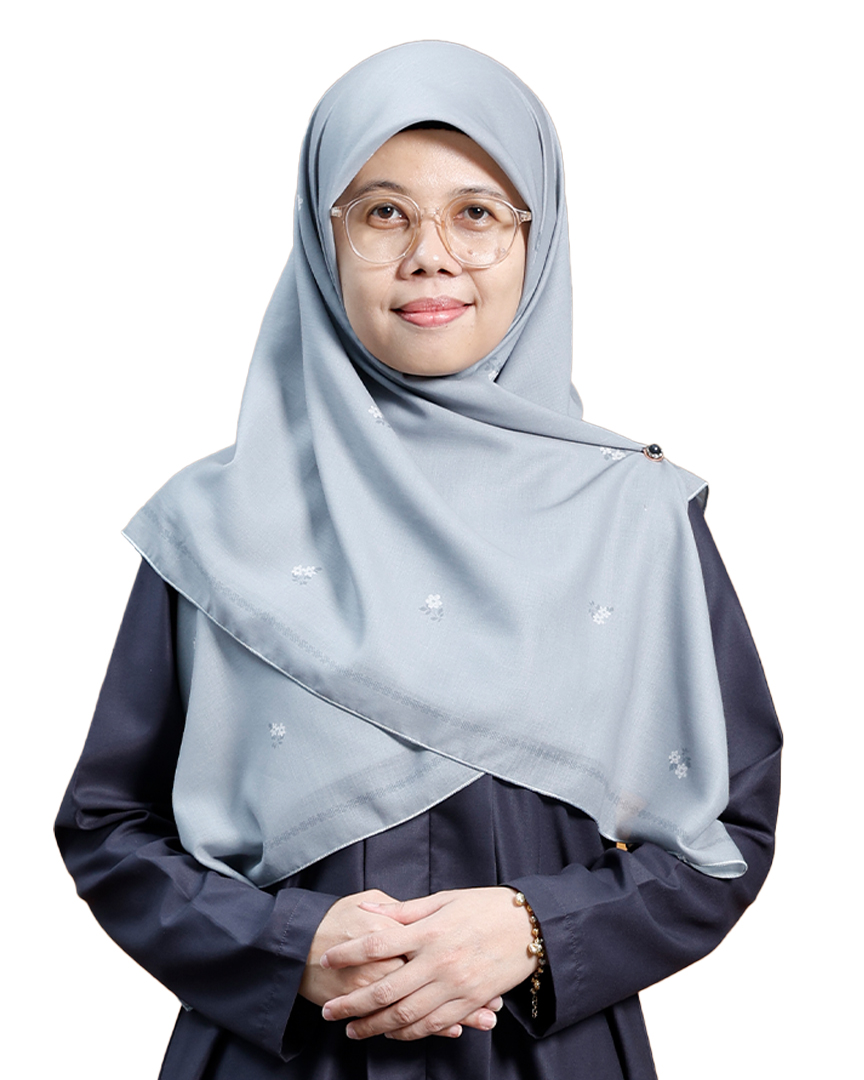
Dr. Siti Nur Diyana Mahmud (Chairperson of the Center)
Introduction

The STEM Cultural Studies Center was established as a result of the realignment of the organizational structure of the Faculty of Education in 2017 in an effort to empower the faculty in the field of research and strengthen governance. This center focuses on integrating and coordinating efforts towards the culturalization of STEM in the context of creating a progressive, dynamic, scientific, and innovative society based on Science and Technology.

VISION

To become a hub for STEM culture and empowerment through high-impact research in the field of STEM education that is appropriate for the times

MISSION

Develop a repository and information management system based on interdisciplinary, multidisciplinary and transdisciplinary research, teaching and service that can influence policies and practices related to the STEM culturalization process

Objective

  • To become the leading reference center in efforts to strengthen the STEM culturalization process based on high-impact research as well as to become a reference and training center to produce research scholars in issues related to the STEM culturalization process;
  • Become a reference expert in formulating relevant solution strategies in solving problems in STEM cultural efforts;
  • Developing policies and shaping ideas for STEM culture based on research through smart partnerships with government agencies from within and outside the country;
  • Forming, consolidating and coordinating elements involved in the STEM culturalization process involving various strata of the community towards the formation of a society that has sustainable STEM literacy; and
  • Develop a database that focuses on STEM cultural indicators so that the formation of STEM cultural policies and strategies is based on valid and certified data.

SOCIAL SERVICES

Social services will focus on three main targets in creating a sustainable STEM culture ecosystem:

1

Student

  • Focusing on increasing understanding of concepts involved in the STEM curriculum as well as activities aimed at increasing a solid understanding of STEM concepts and the ability to solve problems related to STEM learning such as Higher Order Thinking Skills (HOTS) and Design Thinking.
  • Students also focus on enlightenment on STEM-related perspectives and career paths through an ongoing and sustainable STEM mentor-mentee program.

2

Teachers and Educational Administration

  • Aiming to improve the image, aspirations and teaching practices of teachers in the mission of STEM culturalization. This course in the form of increasing professionalism will be offered in the form of an attractive informal learning package that emphasizes reflective practices in improving teacher competence. Variations in the course will also be created to ensure that there are ample opportunities for teachers to fill the knowledge and skills gaps that allow them to play an effective role in the mission of STEM culturalization.

3

Society

  • This group of people, especially parents and the community, will also be exposed to STEM cultural elements that are appropriate to their respective contexts and roles. This coherent effort is very important in ensuring a holistic and mutually sustainable cultural mission.

Get to know the Study Center Lecturers STEM culture

Program Head

Science Education Specialist

Mathematics Education Specialist

Computer Education Specialist

TVET Education Specialist

STEM Education Specialist

The Faculty of Education began as the Department of Education in the Faculty of Social Sciences and Humanities in 1972. Now known as FPEND, it is supported by several research centres

Contact

Copyright © 2025 | FPEND, UKM

wpChatIcon
wpChatIcon
en_USEnglish